WORKING TOGETHER ON GAME VALUES
We are all aware that abuse of Match Officials at all levels of the game is on the increase and both the RFU and RFRU (our CB) have sent out a lot of information to CBs, clubs, schools/colleges and Referee Societies in an attempt to try and address it. As a Society, we work hard to continuously improve our Match Officials, through regular training and development sessions, coaching/ mentoring and performance review. The vast majority of us are former (and some current) players, and like players, we have different motivations, characters and abilities when it comes to managing challenge. We are committed to continuing to give our MOs the tools they need to perform at their best and to manage difficult situations, but we need your help.
RFU Regulation. It is apparent that many coaches and club officials are not fully aware of the Regulations with respect to the playing enclosure, conduct of non-participants and when/how coaches should communicate with Match Officials. We would remind clubs that RFU Regulation 6 paras 26-28 states that coaches are not permitted in the playing enclosure (except that they are permitted to remain in a dugout or shelter if one is present). If a coach acts as a water carrier then they are allowed in the technical area and to enter the field to administer water as authorised by the referee. Non-participants are not permitted to communicate with Match Officials except to request replacements or medical staff in relation to the treatment of their players (Law 6.30). The RFU expects clubs to ensure that these Regulations are followed. Many MOs’ experience is that too many coaches and officials don’t know these Regulations (especially in the age grade game) and it creates a potential flashpoint when the referee has to stop the game to e.g. ask a coach to leave the playing enclosure when they’ve been wandering the touchline; often the club officials aren’t aware that what they’re doing is wrong and they might choose to argue the point with the referee. It is better for all concerned if referees are allowed to concentrate on matters on the field and not have to deal with such incidents, and so we would encourage all clubs to manage it. We don’t make the Regulations and we’d rather not have to enforce them!
Communication. We encourage all Match Officials to communicate positively with players, coaches and club officials, because we learn much from the vast experience that exists in the community. We value having positive and open dialogue with coaches before and after the match. Even if a referee has a bad day, most will want a positive post-match conversation with both coaches to get their perspectives and learn. We’d be grateful if clubs would engage with this positively with the aim of helping the referee improve. Asking for clarifications on specific decisions is good as it helps coaches to understand the referee’s application of the Laws. Having an argument about decisions made that the coach disagreed with is not so positive. It’s OK to be critical, but as would happen with players, we’d prefer it was done in a positive way so the referee can learn. And of course it helps if a coach can tell the referee what they thought they did well, even if the team lost! During play, some referees only want to communicate with team captains/pack leaders, but the majority are happy to speak with players (especially front rows/halfbacks) in down time to manage issues (rather than penalising them) or explain decisions. If players choose to speak to the referee we ask that they do it at the right time and in the right way. The right time is when the ball is dead or there is a natural break in play; the wrong time is during live play or when a penalty has been awarded to the opposition. No referee in the history of Rugby Union has ever changed their mind because a player pointed out that they got it wrong!
Materiality. Referees make positive choices not to penalise every offence (nobody wants 50 penalties in a game) and we put a lot of effort into teaching our MOs about the ‘materiality’ of offences and trying to keep the game flowing. Yes, that player might have come in from the side, yes that player might have gone off their feet, and yes the winger might have been 5 yards offside when the ball came out of the ruck, but if the side entry had no impact on the contest, the player off their feet didn’t prevent access to the ball and the offside winger never got near the next play, then we don’t want to penalise. We want to get the offences that are clear, obvious and game-affecting. We’d ask that coaches bear these things in mind during the game and to remember that when we have a bad day, we’ll be bad for both teams. We really don’t care who wins and if we were as good as the professionals then we wouldn’t be refereeing your Counties 4 game… Players and spectators will follow the example of the coaches as leaders; we would prefer it if they didn’t vocalise their frustration at decisions and to encourage those around them to do the same.
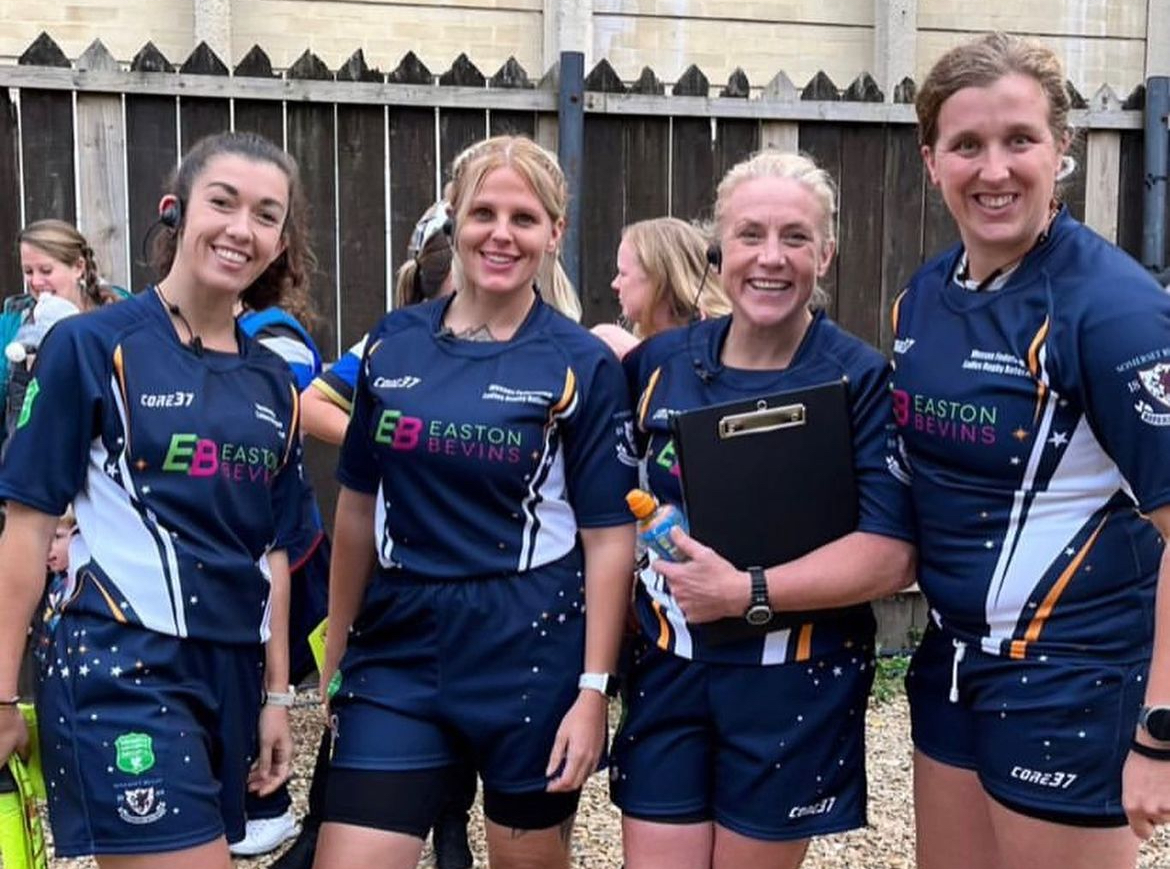
Match Official Developers (MODOs). Referees sometimes have a coach, mentor or performance reviewer. Their sole purpose is to watch the referee and help them to improve. MODOs will sometimes wear an earpiece to listen to the referee; they cannot speak to or influence the referee. MODOs are Match Officials too and afforded the same protection as on-field officials, meaning that instances of abuse will be dealt with in the same way as abuse of a referee.
Please take this letter as a positive communication, intended to improve our relationship with our clubs. Anything that you can do to assist us is highly appreciated and helps to ensure that our MOs continue to enjoy their Rugby and stay in the game. For those of you who don’t have referee members, we are always willing to come to your clubs and speak to your officials, coaches or players about any aspect of the Laws, officiating or managing relationships with MOs. Feel free to contact any of our members, our committee or go to our website at www.srrs.org.uk
Yours in Rugby,
Reg Lewis
Chairman SRRS
Contact: chairman@srrs.org.uk